
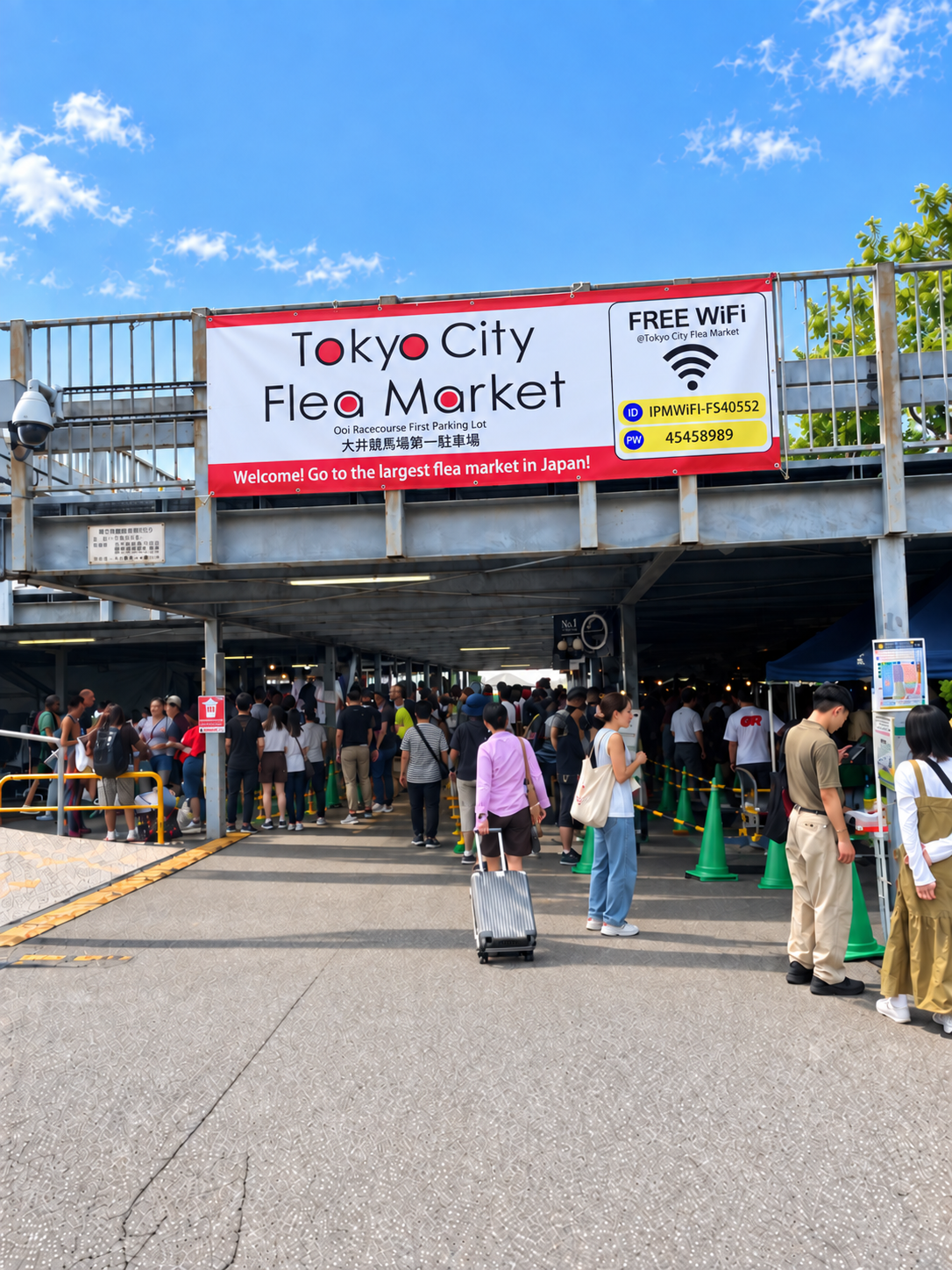
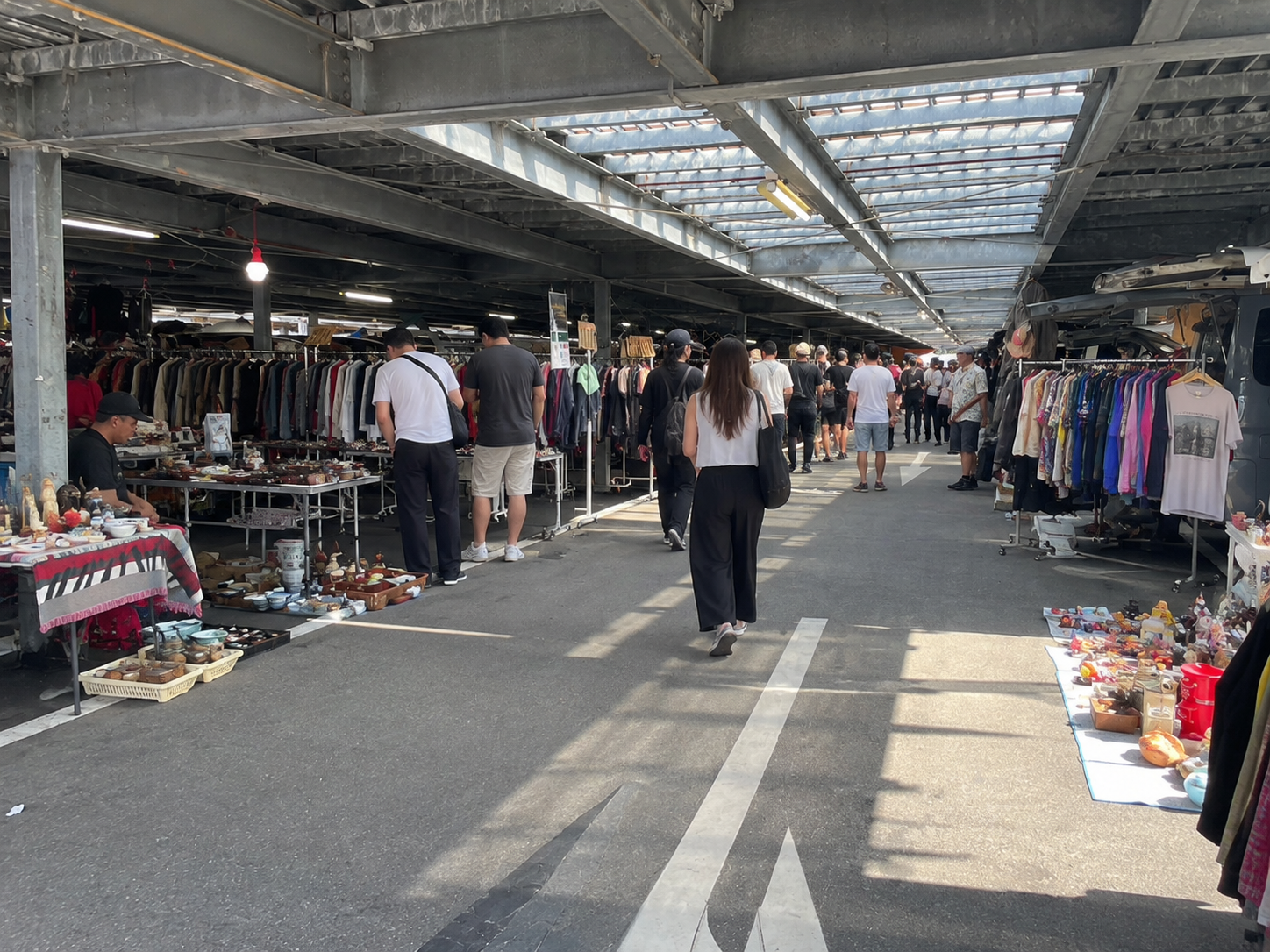
Held at Oi Racecourse, the Tokyo City Flea Market is one of the largest and most popular flea markets in Tokyo.
Spread across a spacious parking area, the market is packed with an incredible variety of items—from everyday goods costing just a few hundred yen to Japanese tableware and tea sets, Showa-era retro items, secondhand clothing from Japanese brands, records, cameras, furniture, antiques, and much more.
Every booth has something different to offer, making this a great place to experience a more local side of Tokyo shopping that you simply won’t find in a typical souvenir shop.
Unique Finds Everywhere: Some of My Favorite Booths
As you walk through the market, you’ll find everything from stalls piled high with merchandise to beautifully arranged booths that look more like vintage boutiques.
Most flea market items are one of a kind. If you spot something you like, it’s usually better to check the condition and price right away rather than thinking, “I’ll come back later.” It may be gone by the time you return.
Traditional Japanese Goods and Unique Souvenirs
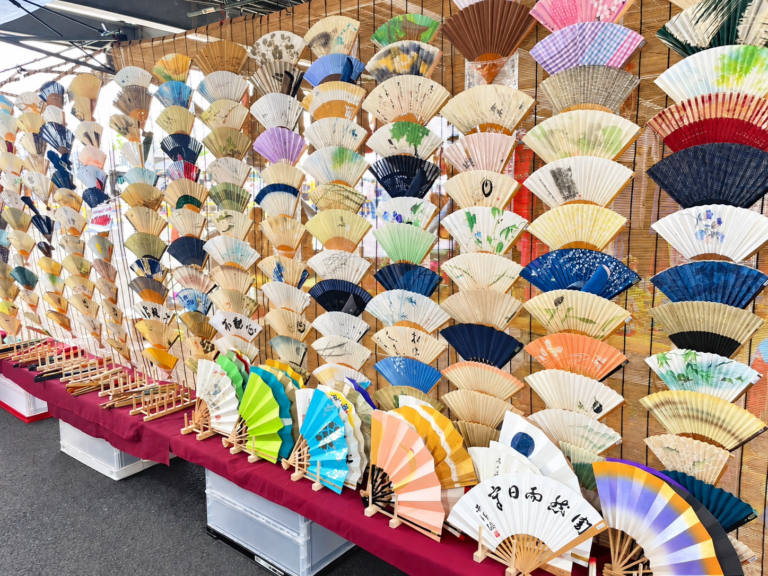
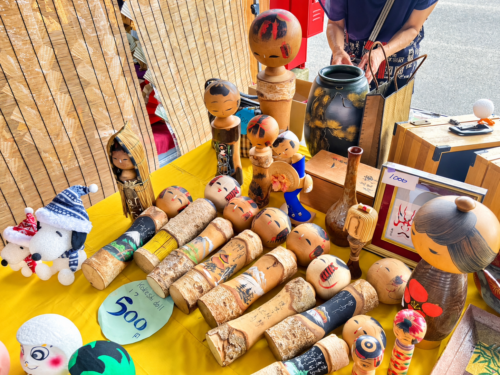
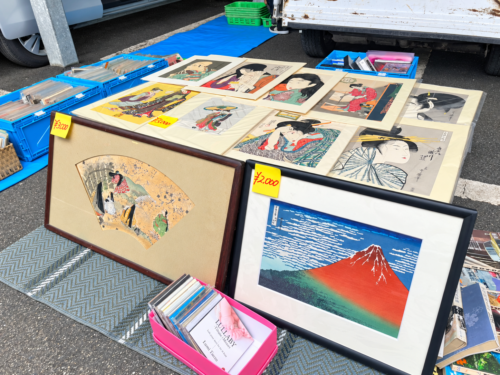
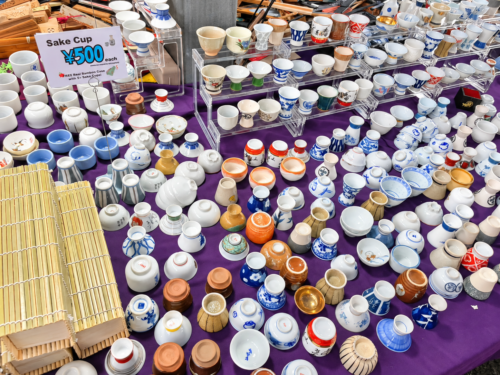
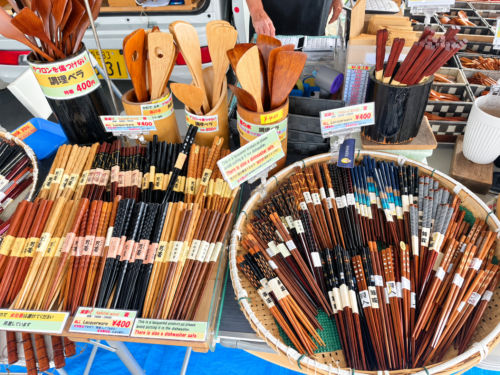
At this booth, you’ll find plenty of distinctly Japanese items, including folding fans, sake cups and bottles, kokeshi dolls, Japanese-style artwork, chopsticks, and more.
Chopsticks are particularly worth checking out. There are many different types featuring various woods, colors, and patterns.
They are practical for everyday use, make excellent souvenirs from Japan, and are small enough to fit easily into your luggage.
Brand-Name and Vintage Bags
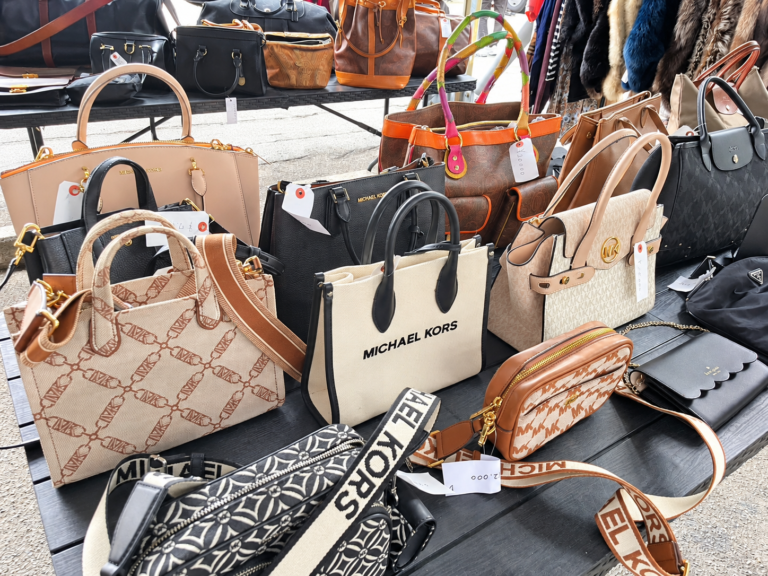
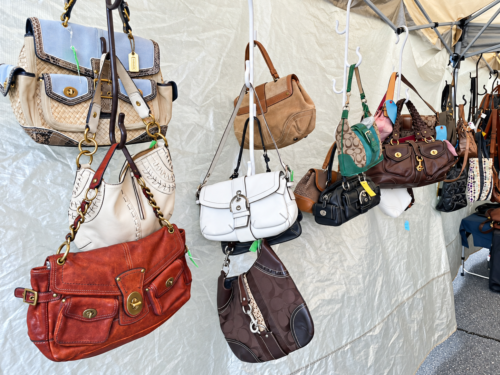
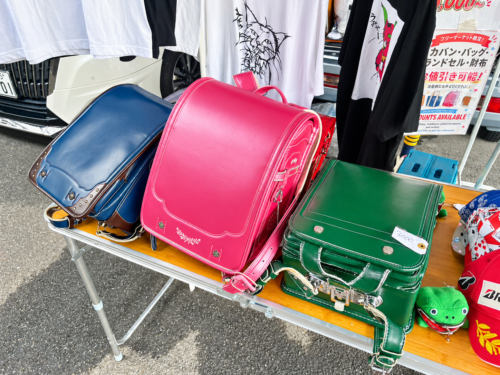
This booth offers a large selection of brand-name and vintage bags.
Another item worth looking out for is the randoseru, the sturdy box-shaped backpack traditionally used by Japanese elementary school students.
Randoseru have been a familiar part of school life in Japan for generations, and their distinctive design makes them an interesting piece of Japanese culture to discover.
Wallets, Rings, Watches, Sunglasses, and Other Fashion Accessories
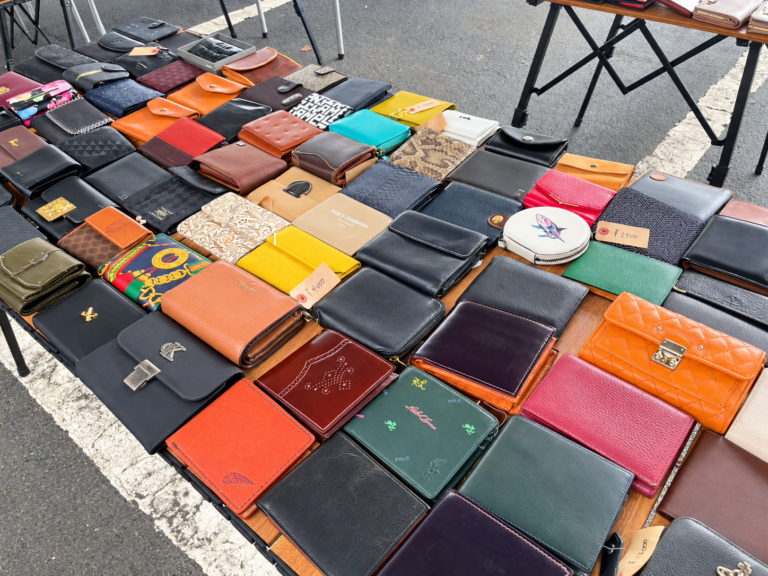
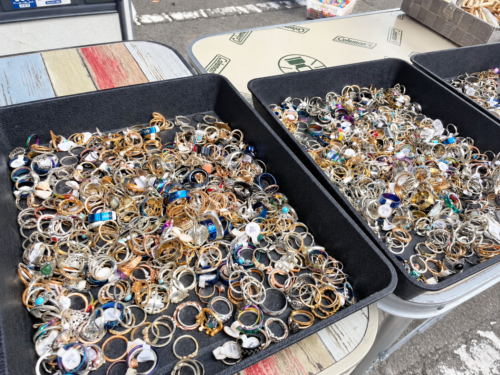
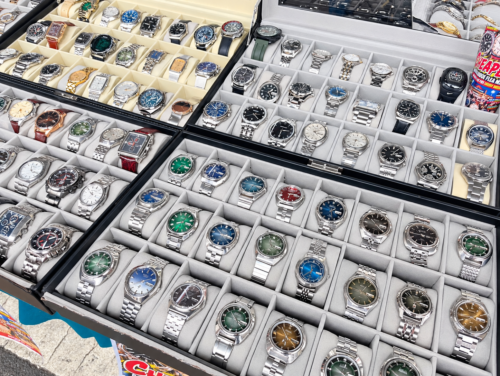
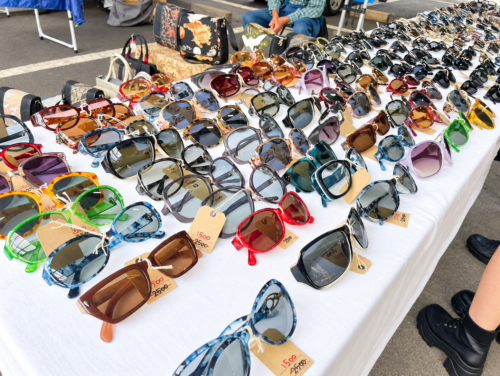
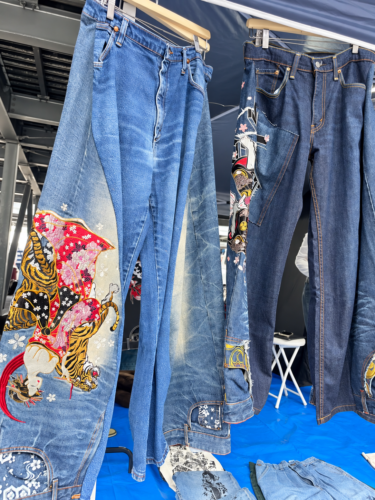
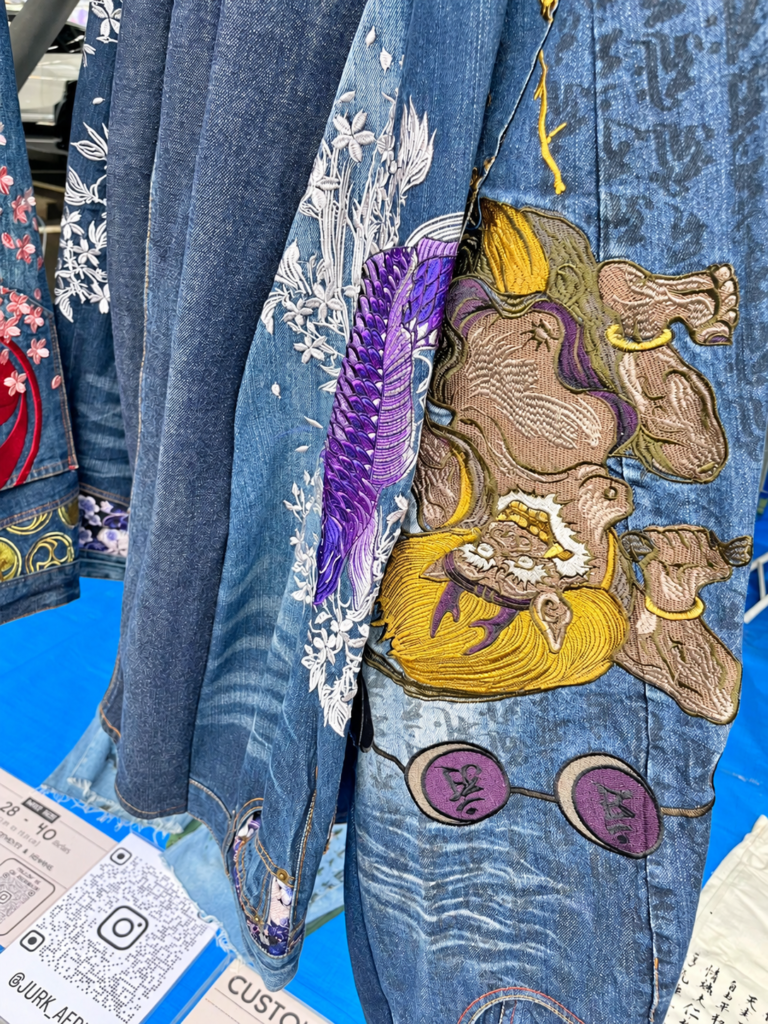
Here you’ll find a wide variety of fashion items, including wallets, accessories, watches, sunglasses, and more.
One item that particularly stands out is Japanese-style embroidered denim featuring traditional motifs such as dragons and tigers.
This is a fun booth not only for fashion lovers, but also for anyone searching for something unusual and distinctly Japanese.
Retro Cameras and Nostalgic Electronics
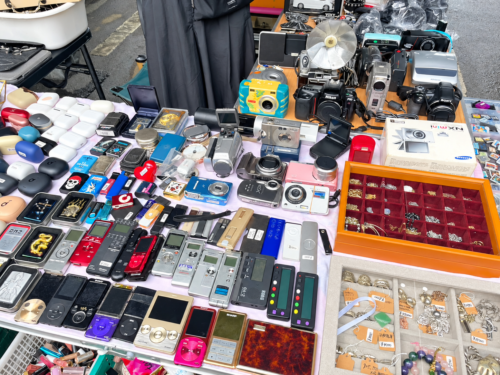
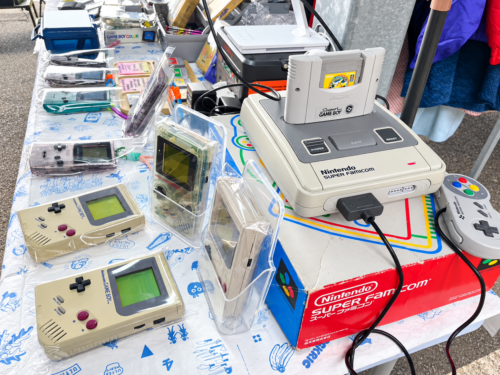
This booth is filled with nostalgic electronic devices, including digital cameras, video cameras, portable music players, and mobile phones.
You may also come across iconic Japanese retro gaming consoles such as the Game Boy and Super Famicom.
Japanese gaming culture has fans all over the world, making these particularly exciting finds for international visitors.
Anime and Manga Figures
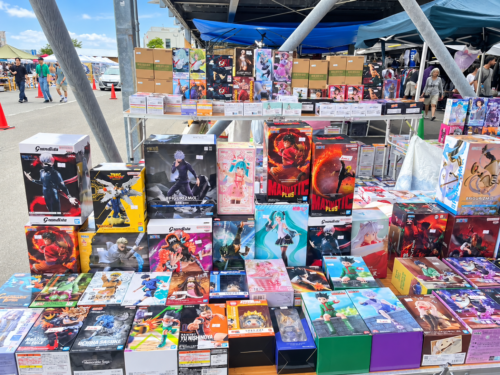
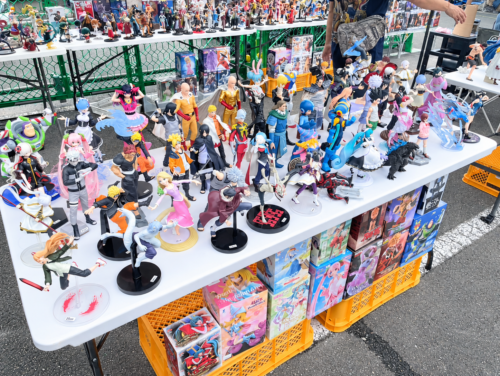
Fans of Japanese pop culture will want to stop by the booths selling figures of characters from popular anime and manga.
There is plenty to browse, from boxed collectibles to large and impressively detailed figures.
Japanese Goods and Unique Handmade Items
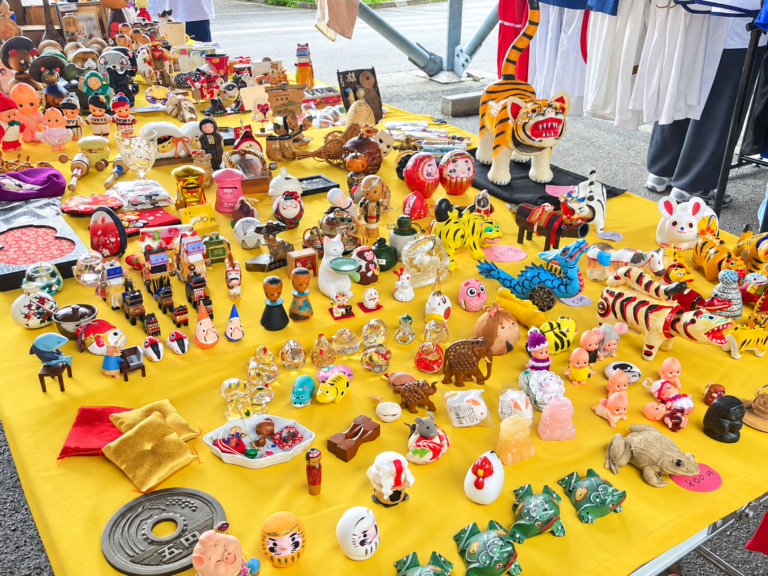
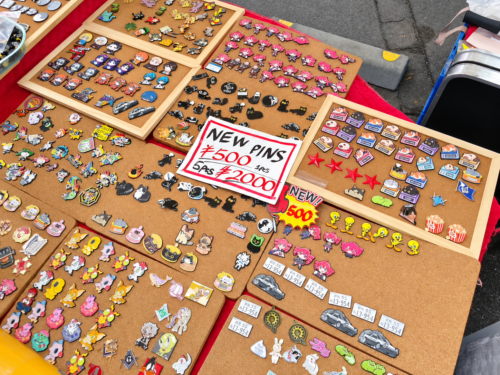
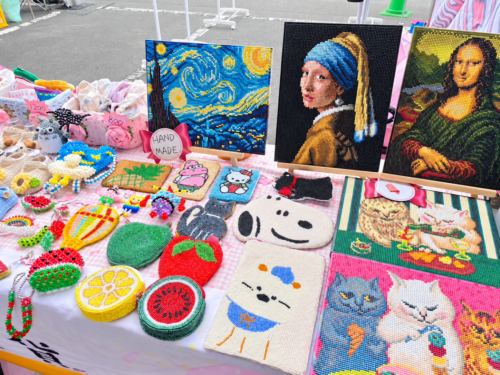
This booth features a colorful collection of Japanese goods, including daruma dolls and kokeshi dolls, as well as colorful pins and handmade beadwork.
It’s a great place to look for small, unusual souvenirs that feel a little different from what you might find in regular tourist shops.
Perfumes and Miniature Fragrance Bottles
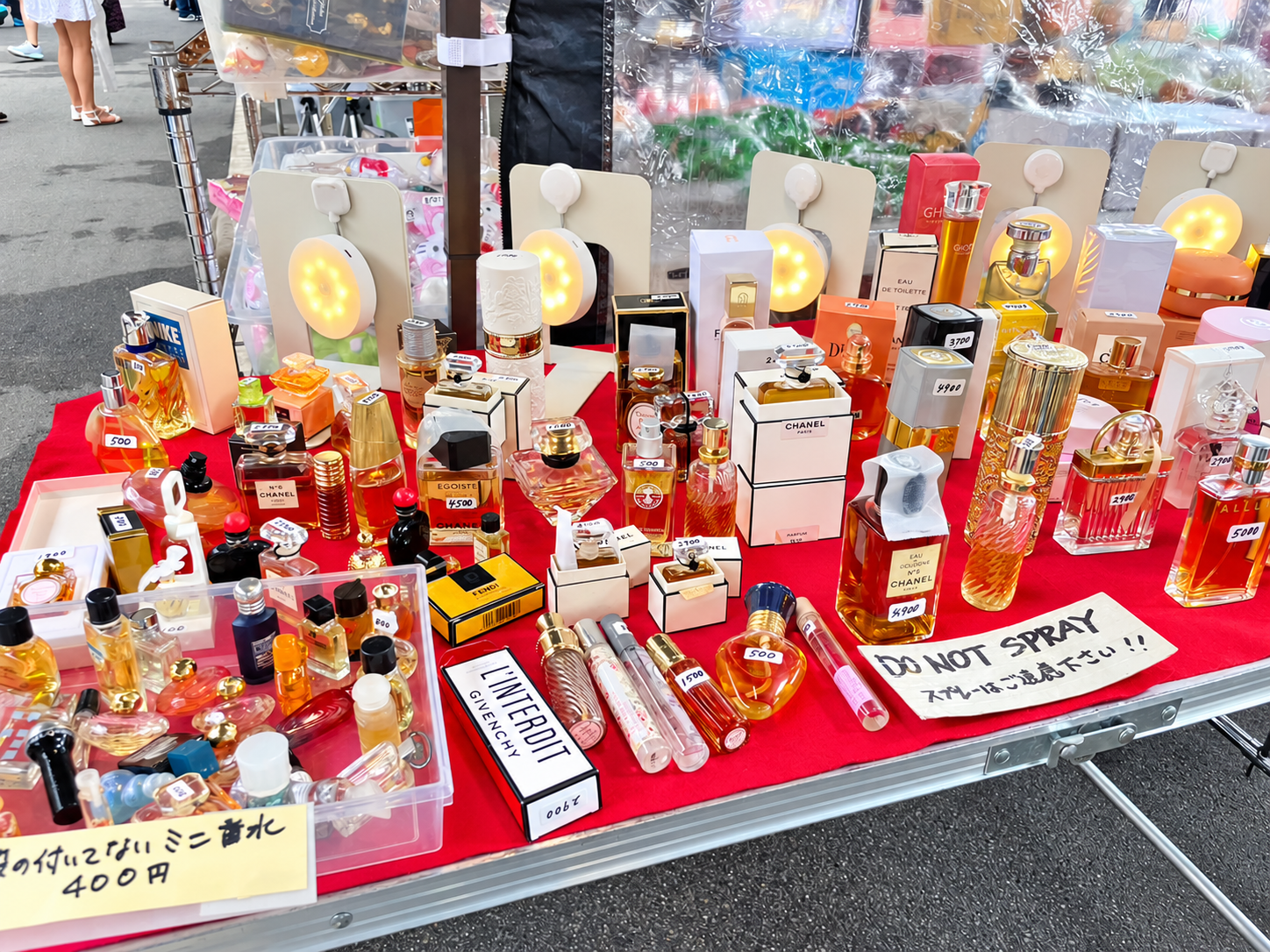
Fragrance lovers can browse a large selection of perfumes, miniature bottles, and other fragrance-related items.
You may find bottles from brands such as CHANEL and GIVENCHY, among many others.
Even if you are not looking for a particular fragrance, the distinctive bottle designs make this booth interesting for collectors as well.
Records from City Pop to Anime Music
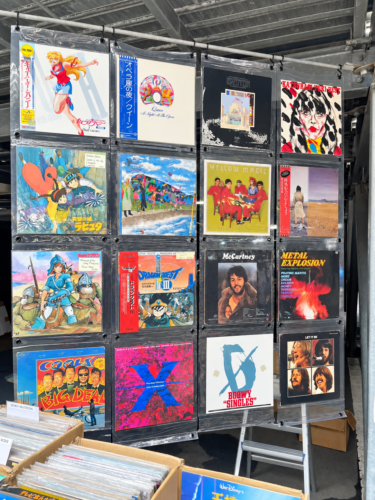
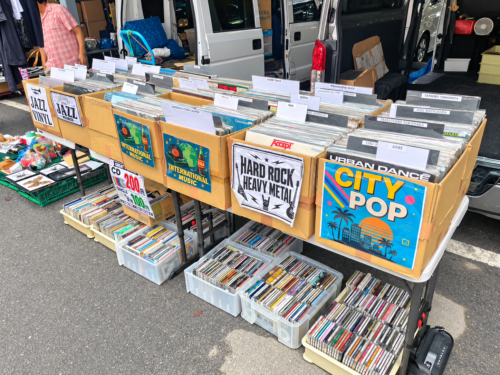
This booth offers records and CDs covering a wide variety of genres, including City Pop, jazz, rock, hard rock, and anime music.
It is especially worth checking out if you are searching for Japanese City Pop.
You’ll also find releases by international artists and anime-related records, making it the kind of booth where digging through the crates is part of the fun.
Enjoy International Food at the Food Court
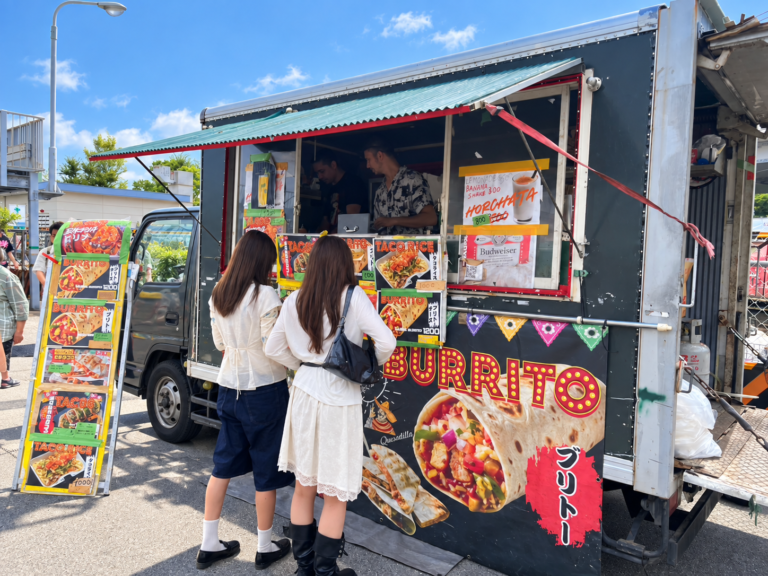
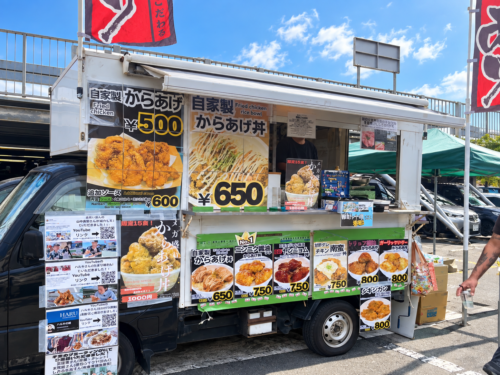
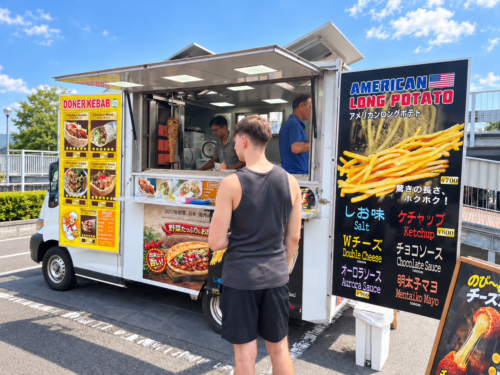
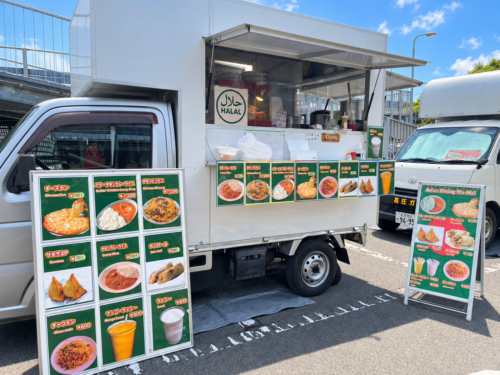
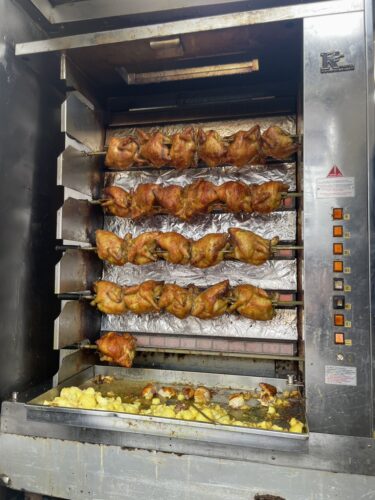
The flea market also has food trucks serving a wide range of dishes, including burritos, kebabs, hamburgers, karaage fried chicken, rotisserie chicken, and long French fries.
Some vendors also offer halal-friendly options, making the food area accessible to a wide range of international visitors.
Soft drinks are available, along with alcoholic beverages such as beer and highballs.
There are also tables where visitors can sit down and enjoy their food and drinks, making this a convenient place to take a break or have lunch between rounds of shopping.
First-Timer’s Guide to the Oi Racecourse Flea Market
If you are visiting for the first time, you may be wondering:
“Where exactly is the flea market inside the racecourse?”
or
“Is it held on horse-racing days?”
Here is everything you need to know before your visit, including the location, nearest stations, opening hours, schedule, and what happens when it rains.
Location, Nearest Stations, and Access
■Tokyo City Flea Market – Basic Information■
Name: Tokyo City Flea Market at Oi Racecourse
Address: Oi Racecourse Parking Lot No. 1, 2-1-2 Katsushima, Shinagawa-ku, Tokyo
Access: Approx. 3-minute walk from Oi Keibajo-mae Station on the Tokyo Monorail / Approx. 10-minute walk from Tachiaigawa Station on the Keikyu Line
Opening Hours: 9:00 AM–2:30 PM
Dates: Mainly Saturdays, Sundays, and public holidays. Dates vary by month.
Admission: Free
【How to Get There from Oi Keibajo-mae Station】
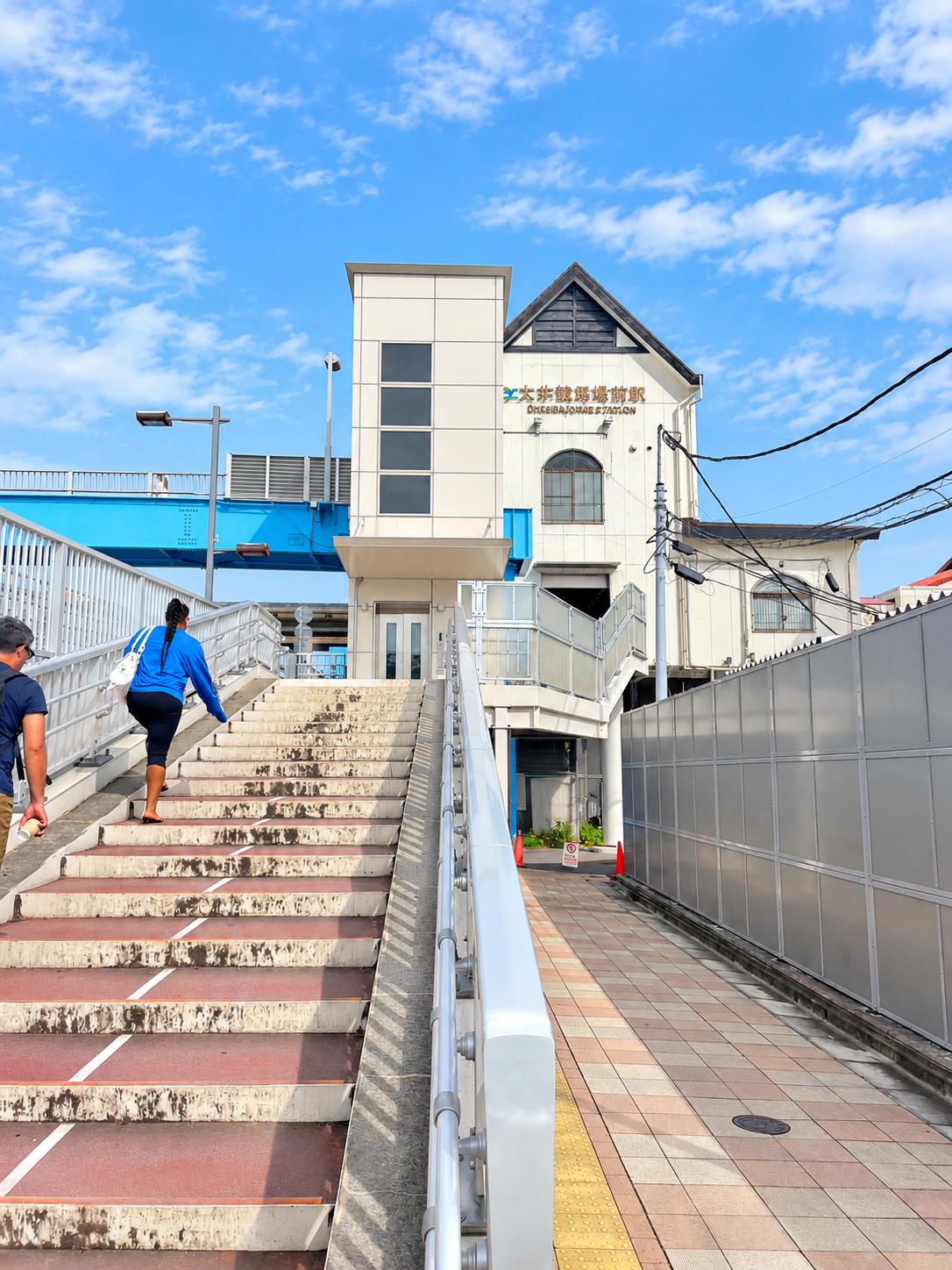
If you take the Tokyo Monorail, the flea market is approximately a three-minute walk from Oi Keibajo-mae Station.
Of the two nearest stations, this is the closest route to the market.
1. Get off at Oi Keibajo-mae Station
After passing through the ticket gates, head toward Oi Racecourse.
2. Walk straight ahead after leaving the station
Near the station you will see landmarks such as Wira Oi and Keibajo-dori Avenue.
Follow the signs toward Oi Racecourse. The route is relatively straightforward and is almost a straight walk from the station.
3. Head toward Parking Lot No. 1 at Oi Racecourse
After a few minutes, you will see Parking Lot No. 1.
On flea market days, flags, vendor booths, and the flow of visitors usually make the venue easy to spot.
4. You’ve arrived at the Tokyo City Flea Market
【How to Get There from Tachiaigawa Station】
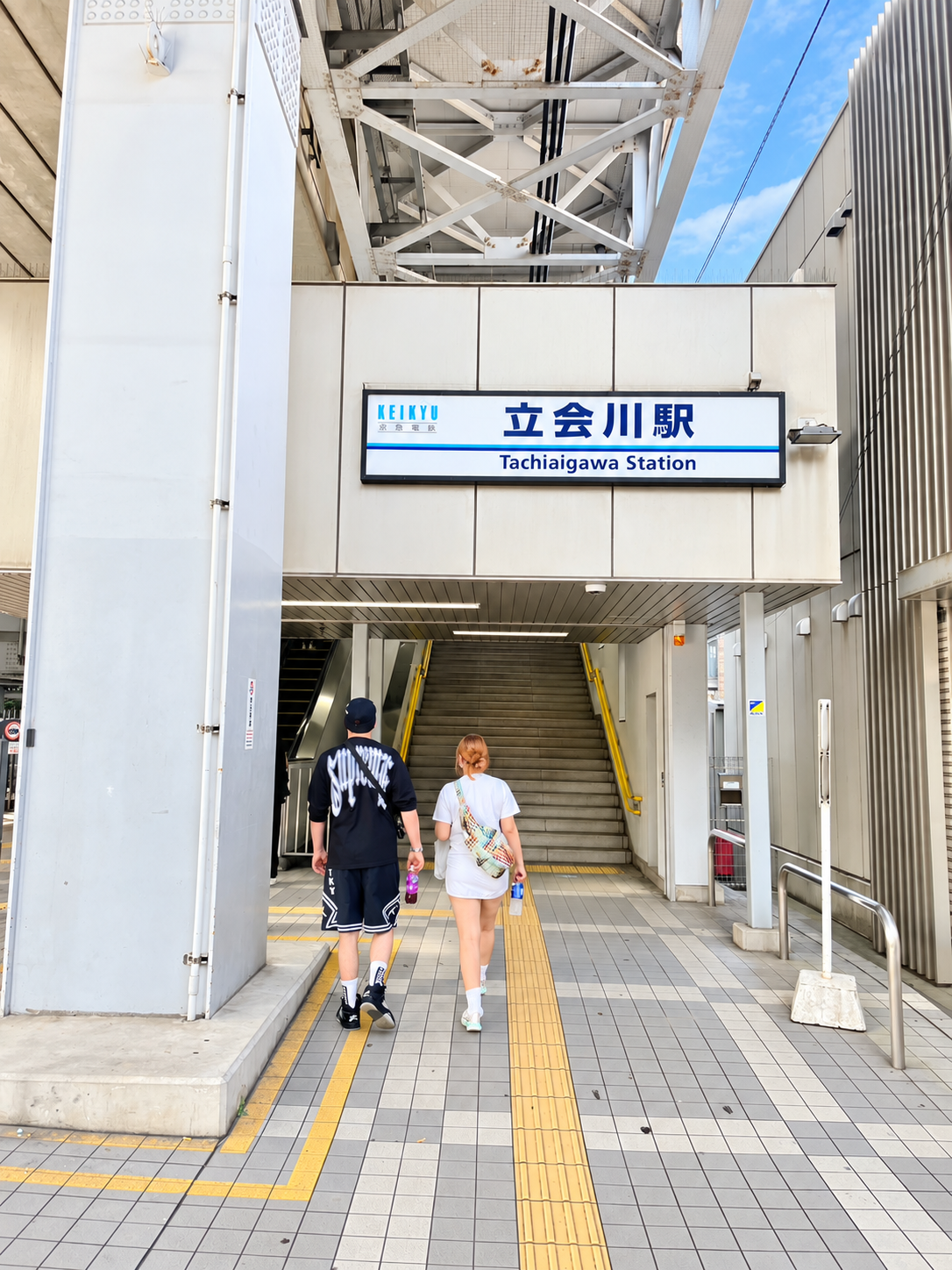
If you are using the Keikyu Line, the flea market is approximately a ten-minute walk from Tachiaigawa Station.
This can be a convenient option if you are coming from the Shinagawa area.
1. Get off at Tachiaigawa Station
After leaving the station, head toward Oi Racecourse and Keibajo-dori Avenue.
2. Follow Keibajo-dori toward Oi Racecourse
The route mainly follows Keibajo-dori south toward the racecourse.
The official access map also shows the racecourse located along this route from Tachiaigawa Station.
3. When you reach Oi Racecourse, head toward Parking Lot No. 1
Once you reach the racecourse area, the Oi Racecourse facilities will come into view.
4. You’ve arrived at the Tokyo City Flea Market
Is the Flea Market Held on Horse-Racing Days?
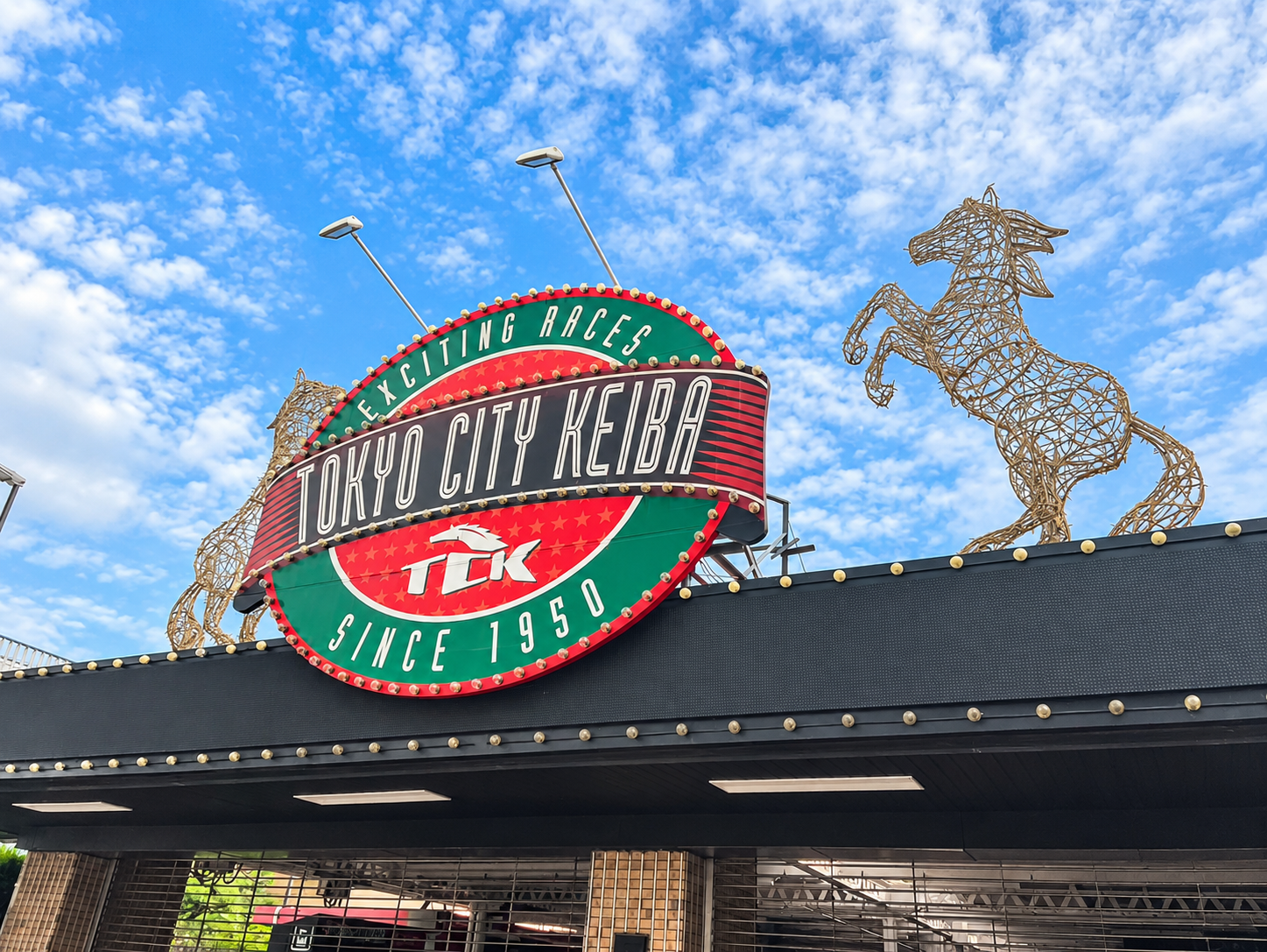
Despite being called the “Oi Racecourse Flea Market,” it is a separate event from the horse races themselves.
The flea market takes place in Parking Lot No. 1 at Oi Racecourse, and its schedule is set independently from the racing calendar.
For that reason, you should not assume the flea market will be open simply because it is the weekend.
Always check the latest Tokyo City Flea Market schedule before visiting.
Opening Hours and Event Schedule
Tokyo City Flea Market
= Open Day
The market is open from 9:00 AM to 2:30 PM.
Events are mainly held on weekends, but the flea market does not take place every Saturday and Sunday.
Dates may be affected by horse-racing events, other events at the venue, weather conditions, and other circumstances.
Be sure to check the latest official schedule before heading out.
Admission Is Free

Admission to the Oi Racecourse Flea Market is free.
In general, you do not need to purchase a ticket or make a reservation in advance.
Does the Flea Market Take Place When It Rains?

Because the Oi Racecourse Flea Market is held outdoors, it is generally canceled in the event of rain.
Whether the market goes ahead can change depending on weather conditions, and cancellation information is announced on the organizer’s official website.
If you are visiting during Japan’s rainy season or typhoon season, be sure to check for updates before leaving.
If the flea market is part of your Tokyo itinerary, it can also be helpful to have a backup plan—for example:
Flea market in the morning if the weather is good, or another Tokyo sightseeing destination if the market is canceled.
Shopping Tips: How to Find the Best Flea Market Treasures
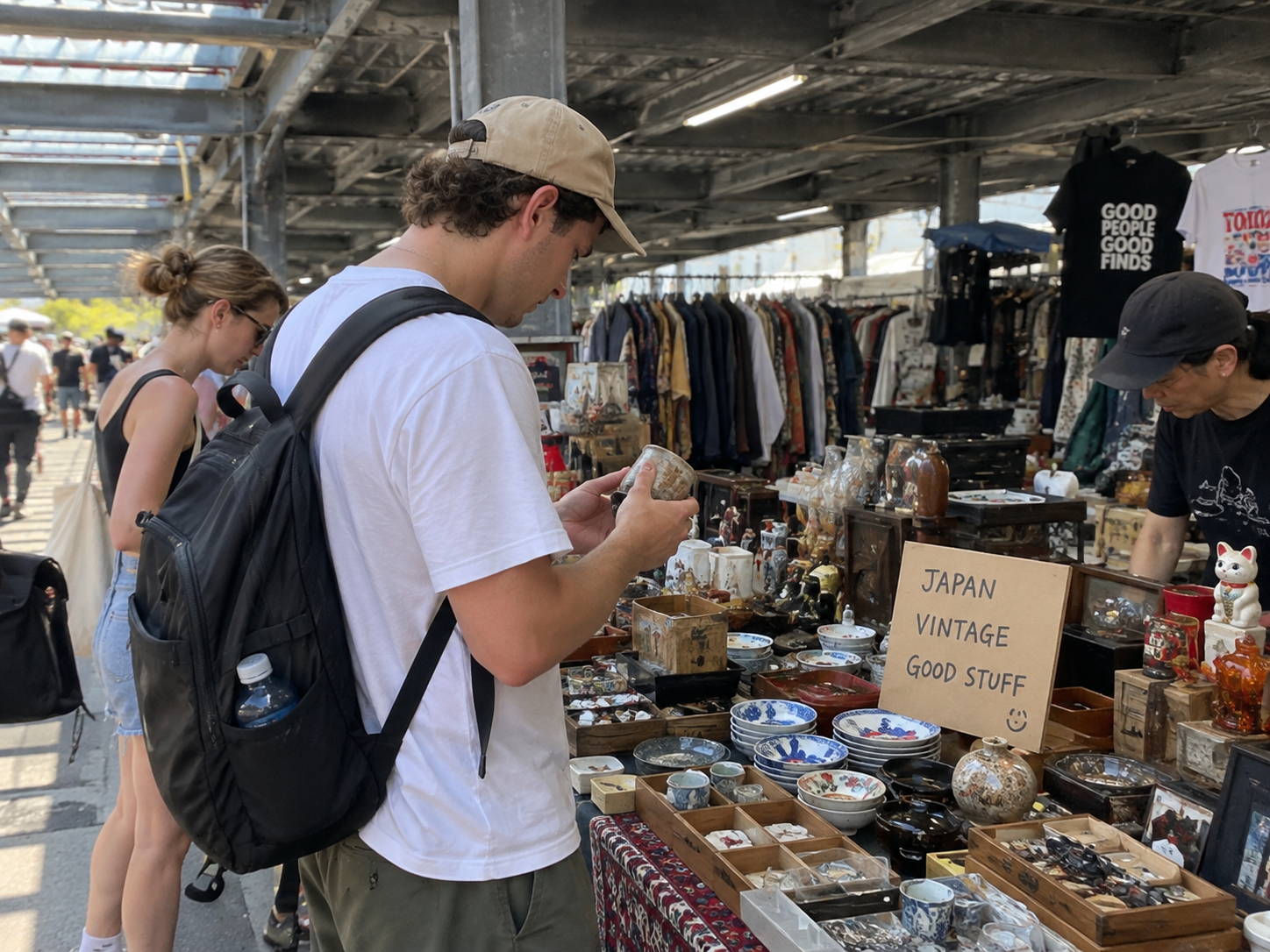
Shopping at a flea market is a little different from shopping at a regular store.
For international travelers visiting a Japanese flea market for the first time, things such as payment methods and price negotiation may be unfamiliar.
Here are a few useful tips to know before exploring the market.
If you’re looking for hidden gems, it’s best to go early.
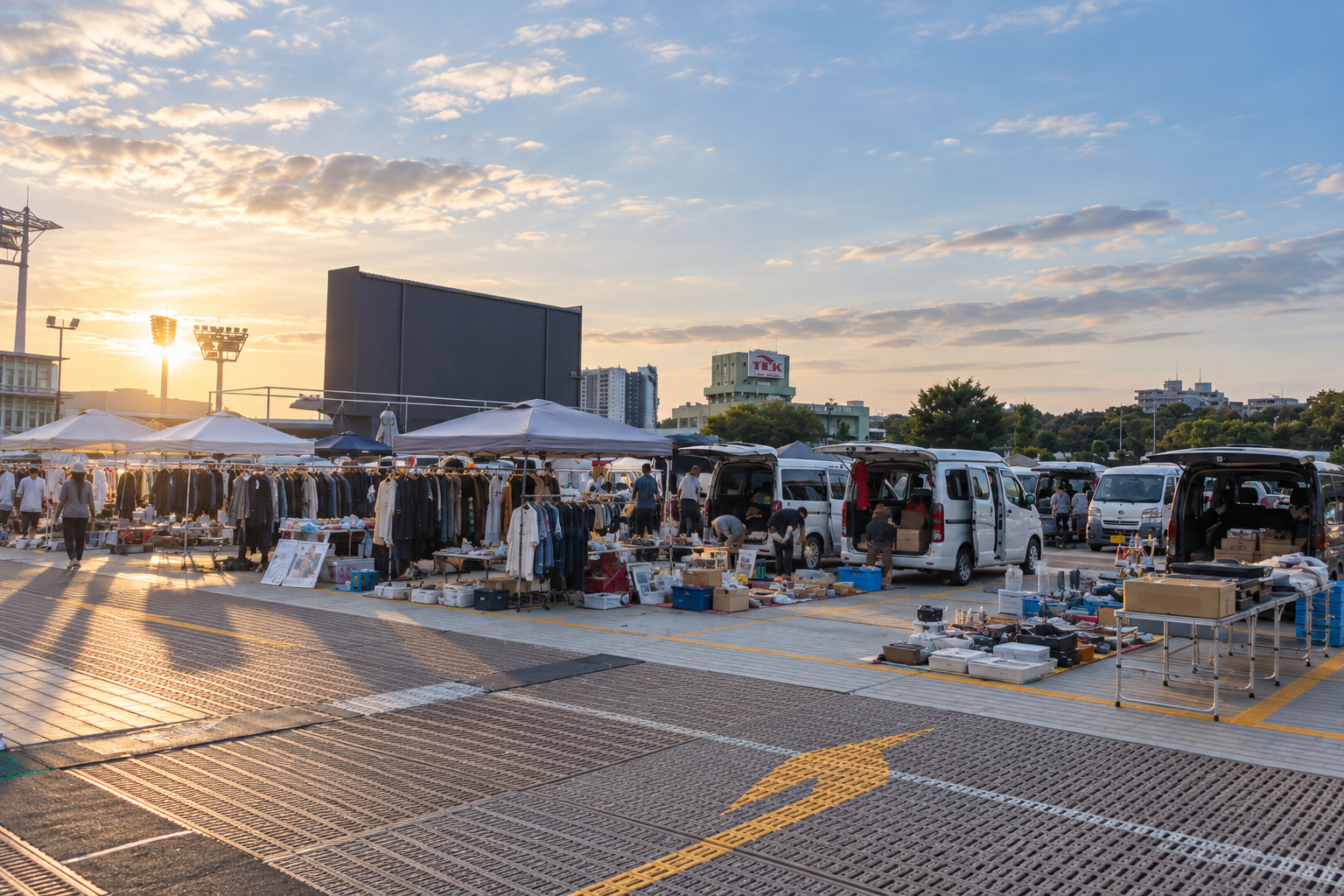
If you want the widest possible selection, try to arrive in the morning.
Most items are one of a kind, so once they are sold, they are gone.
Popular secondhand clothing, branded items, and vintage pieces tend to be easier to find earlier in the day.
Can You Use Credit Cards or Cashless Payments?
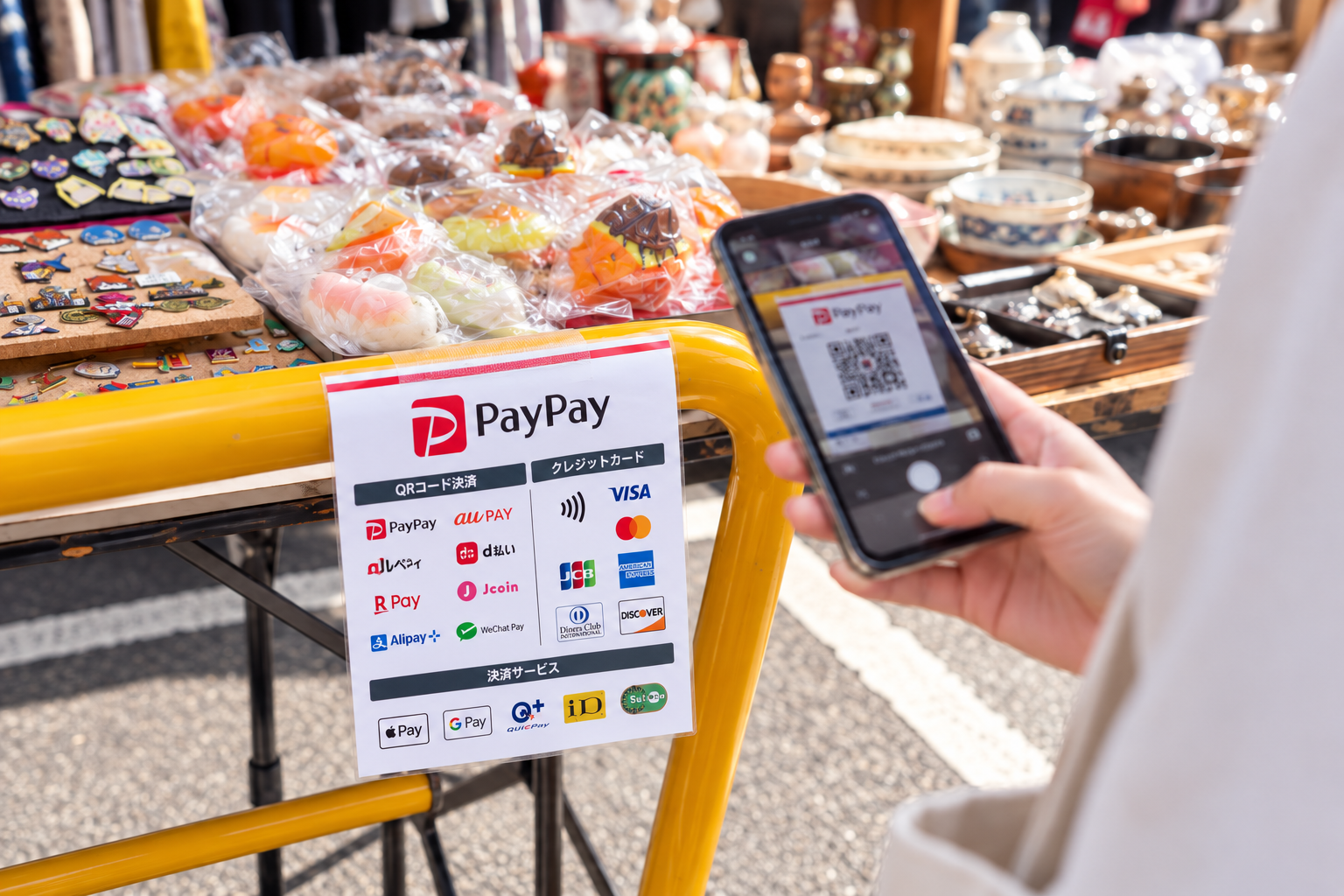
Some booths accept credit cards, QR-code payments, and electronic money, but many vendors are still cash only.
Since many purchases are in the ¥500 to ¥1,000 range, it is useful to carry plenty of ¥1,000 notes and coins.
Can You Negotiate Prices?
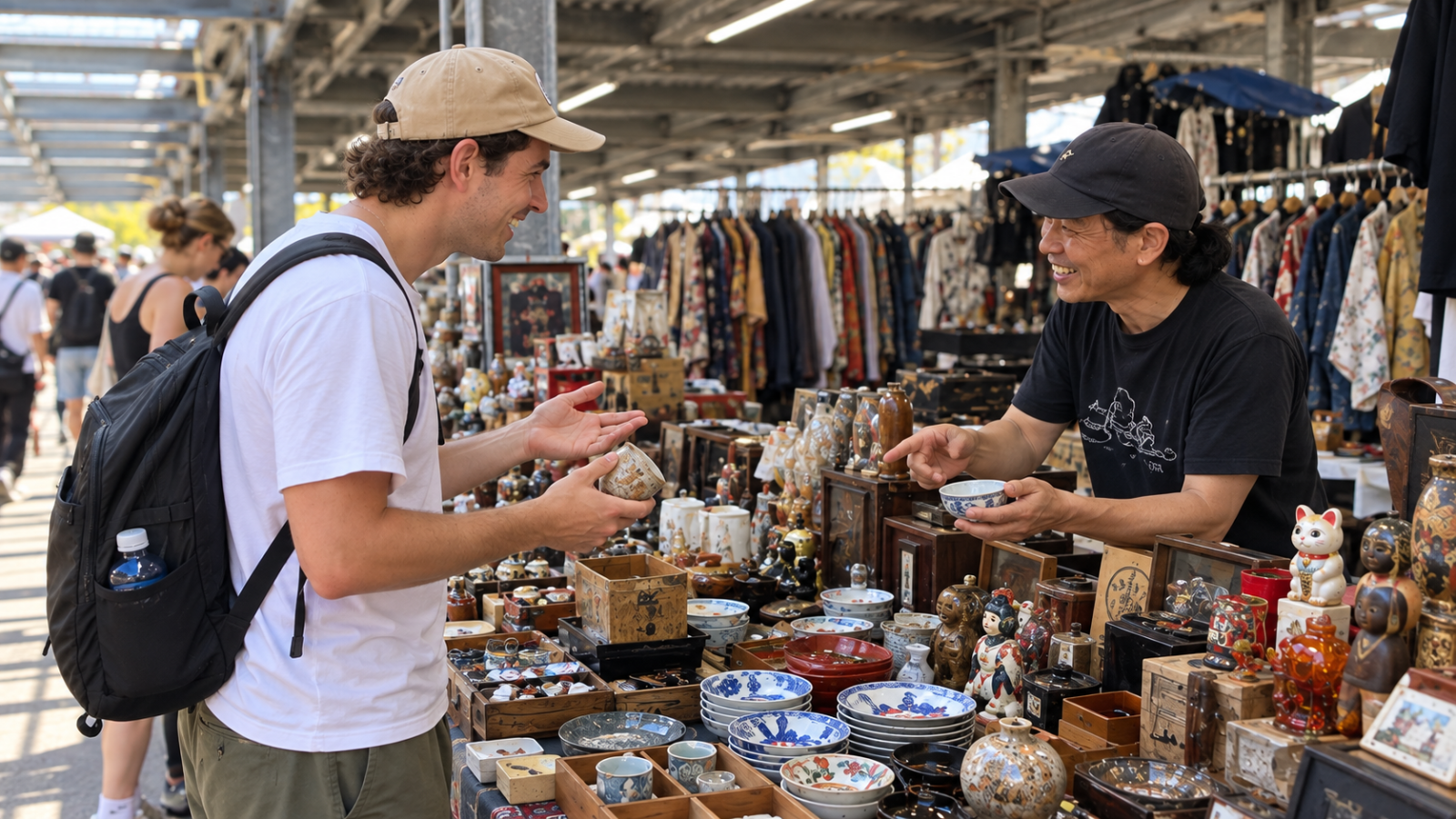
Depending on the seller, price negotiation is sometimes possible at Japanese flea markets.
You may have more room to negotiate when buying two or three items together.
Rather than aggressively asking for a discount, try asking politely:
“Could you make it a little cheaper?”
or
“Could you give me a discount if I buy two?”
Sellers may also be more open to negotiation toward the end of the day, when they may prefer to sell remaining items rather than pack them up and take them home.
Should You Bring Your Own Shopping Bag?
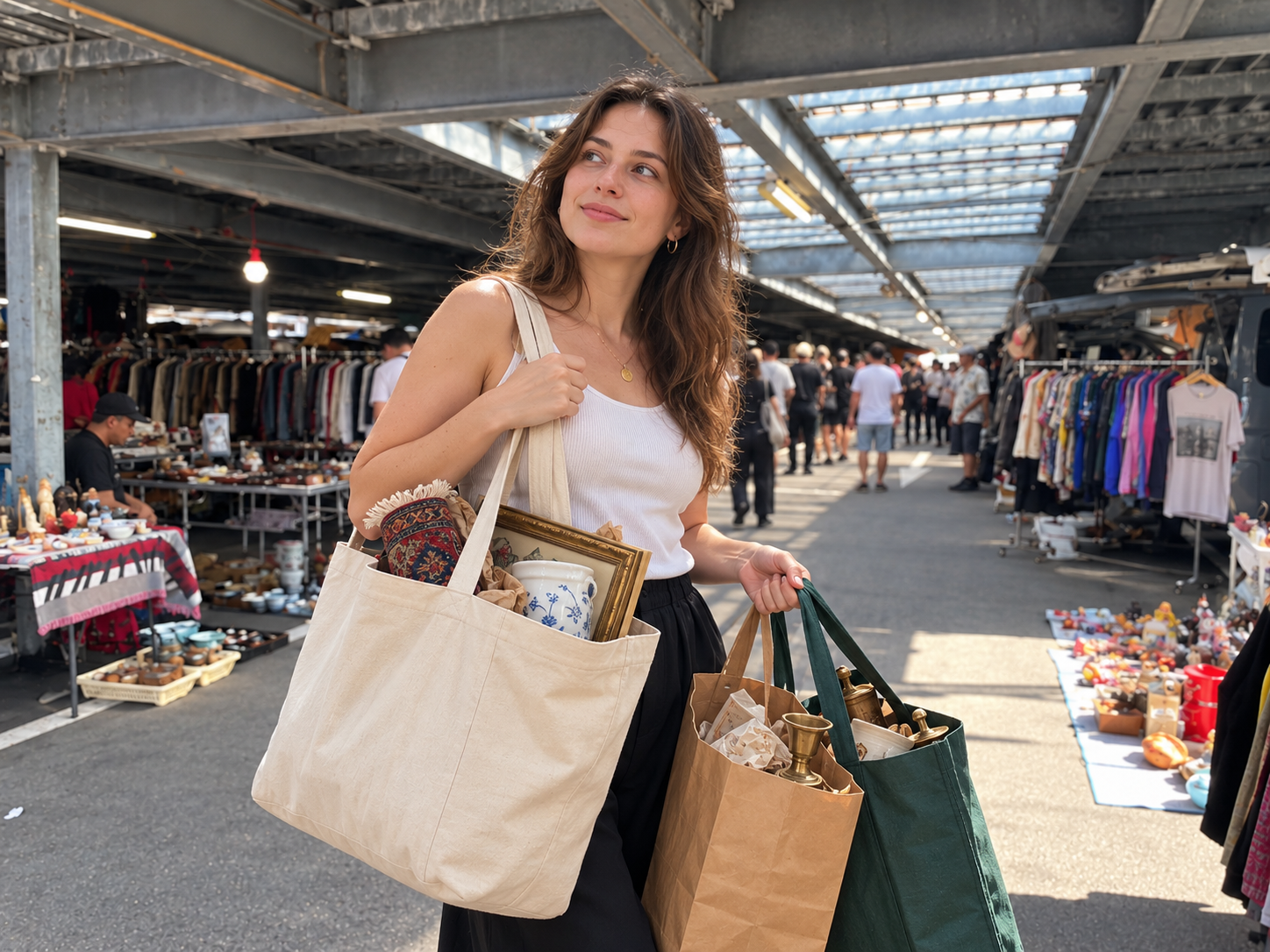
Not every seller provides shopping bags.
Once you start buying tableware, small goods, records, clothing, and other items, you may end up carrying more than expected.
Bringing a large foldable reusable bag is a good idea.
If you plan to buy fragile items, bringing a towel or something else to wrap them in can also be helpful.
Can You Shop Without Speaking Japanese?
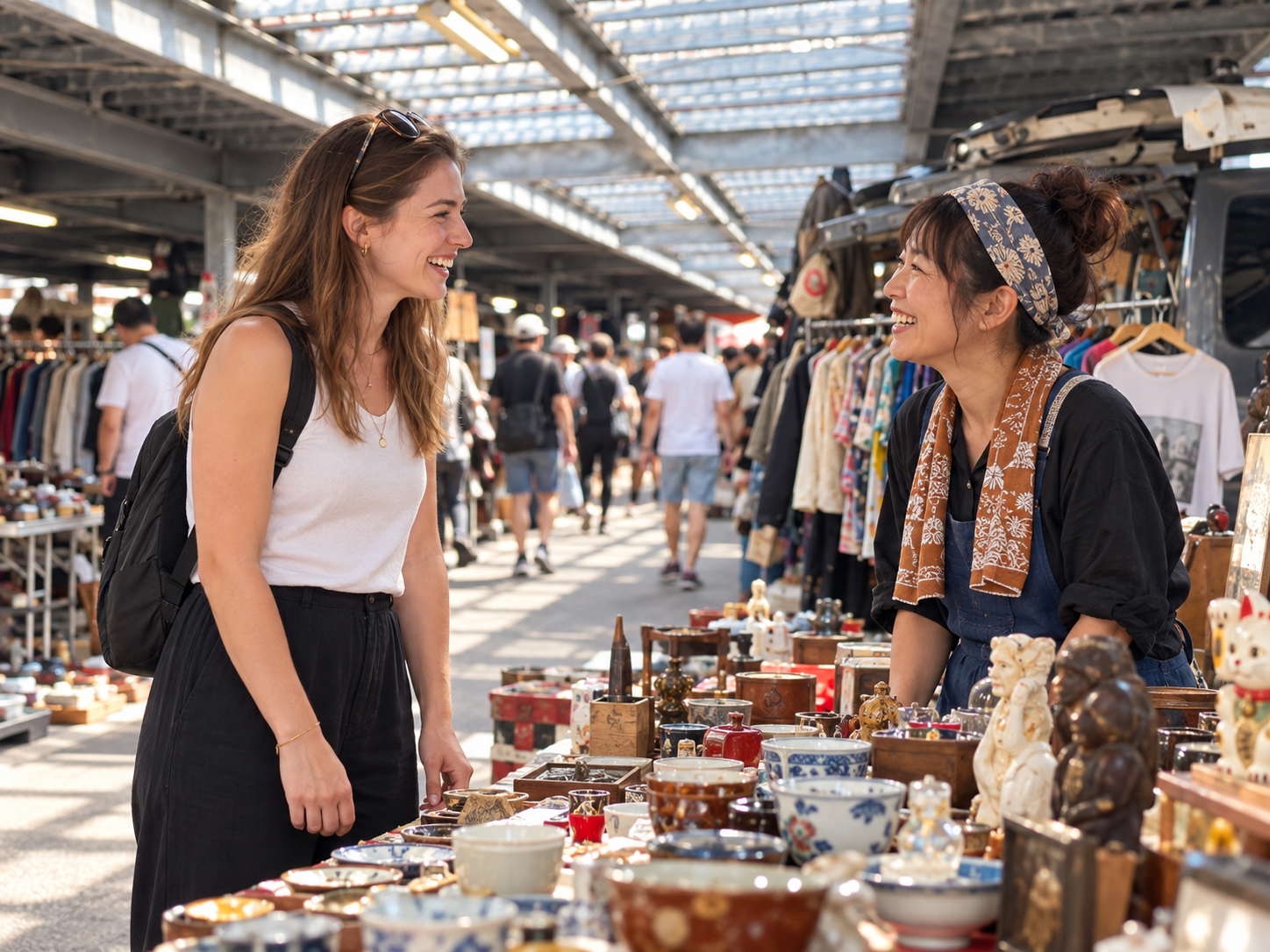
Absolutely.
There are many international visitors at the market. On the day we visited, it felt as though roughly 70~80% of the visitors were from overseas.
Even if you do not speak Japanese, you can usually shop simply by pointing at the price and asking:
“How much?”
Translation apps can also help you ask about an item’s condition or negotiate a price.
One useful Japanese phrase to remember is:
“Kore wa ikura desu ka?”(これはいくらですか?)
which means:
“How much is this?”
Measure Larger Items Before Taking Them Overseas
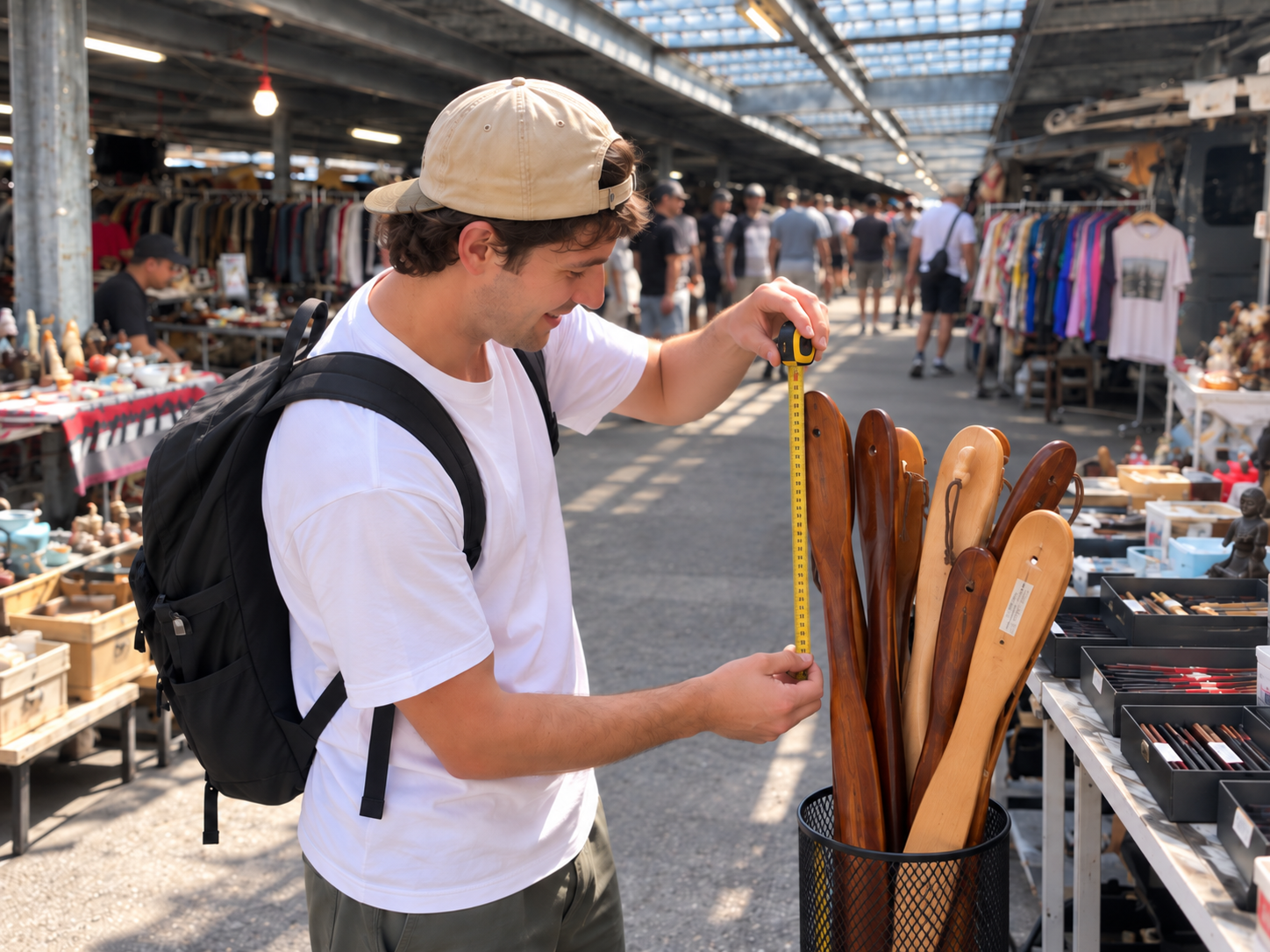
If you are thinking about buying furniture or other relatively large items, it is a good idea to measure them before purchasing.
This will help you check whether the item fits within your airline’s baggage size and weight limits.
Bringing a small tape measure can be surprisingly useful.
Some items that are popular souvenirs, such as Japanese kitchen knives, may also be subject to restrictions depending on your destination and airline.
Always check the rules for your airline and destination before purchasing anything you intend to take overseas.
Visiting by Car or Bicycle
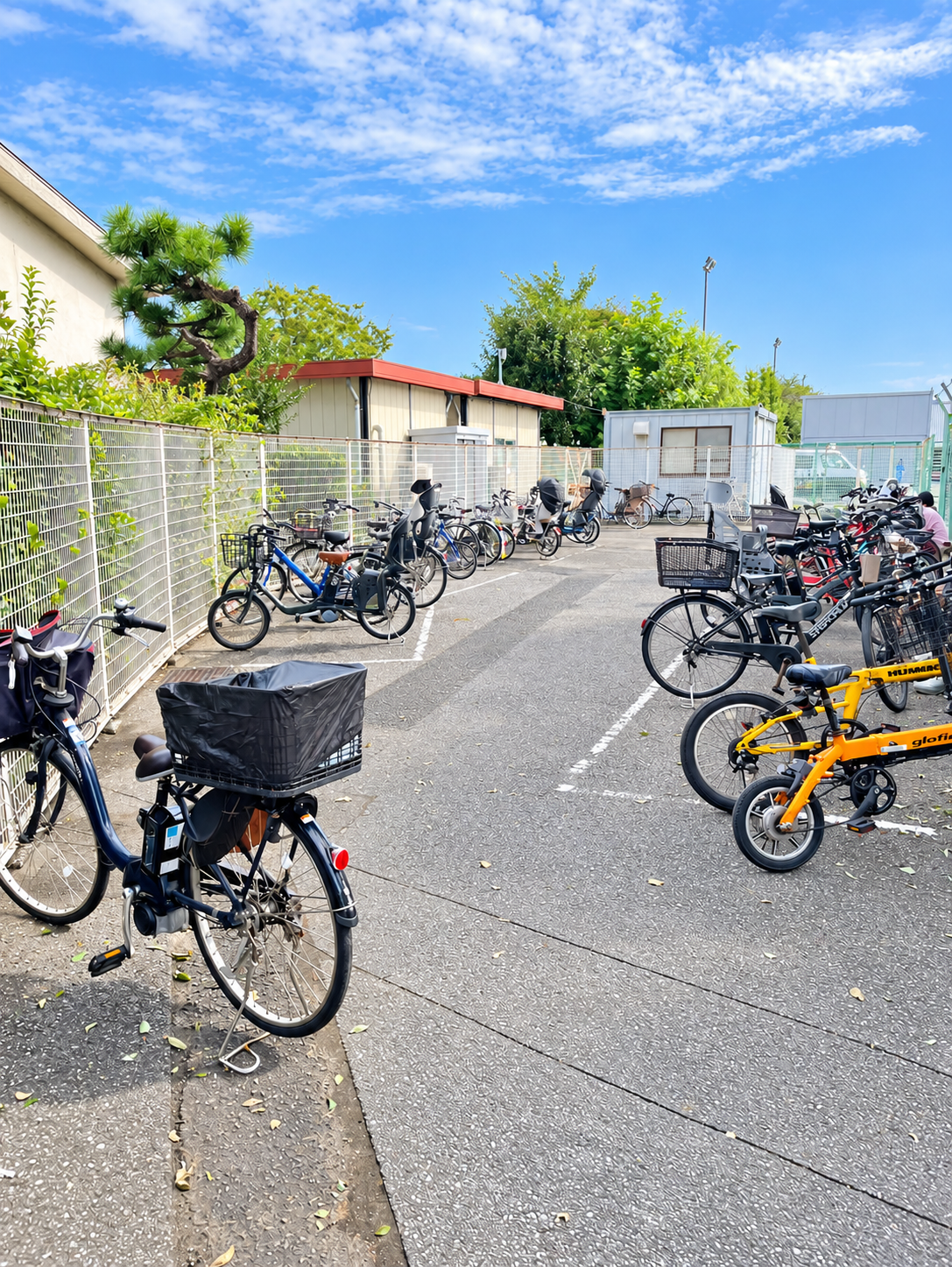
There is no dedicated visitor parking inside the flea market venue.
Visitors arriving by car generally use nearby parking facilities.
If you are arriving by bicycle, Bicycle Parking Area No. 4 opens from 6:30 AM and does not require special permission.
However, the number of available spaces is limited.
There is also another bicycle parking area near the main gate, which opens from 9:00 AM.
Explore Shinagawa and Oimachi After the Flea Market
You could easily visit the Oi Racecourse Flea Market as a destination on its own, but if you are already in the area, it is worth exploring Shinagawa and Oimachi as well.
Oi Racecourse is located in southern Tokyo and offers convenient access to both areas.
One possible itinerary is to spend the morning shopping at the flea market, then head to Oimachi for lunch, shopping, and sightseeing in the afternoon.
Getting from the Flea Market to Oimachi
【From Oi Keibajo-mae Station to Oimachi Station】
Easy train route for visitors
Tokyo Monorail
Rinkai Line
03
02
Transfer here
07
From Oi Keibajo-mae Station, take the Tokyo Monorail to Tennozu Isle Station. From there, transfer to the Rinkai Line and continue to Oimachi Station. The journey takes approximately 20 minutes. This route is convenient and easy to follow, making it a good option for visitors heading to Oimachi after exploring the flea market.
【From Tachiaigawa Station to Oimachi Station】
Easy train route for visitors
Keikyu Main Line
JR Keihin-Tohoku Line
06
01
Transfer here
19
From Tachiaigawa Station, take the Keikyu Main Line to Shinagawa Station. At Shinagawa, transfer to the JR Keihin-Tohoku Line and travel one stop to Oimachi Station. The journey takes approximately 15 minutes. This route is especially convenient if you are already heading toward the Shinagawa area.
【Taking a Taxi or Walking Is Also Recommended】
If you have bought a lot of items or are traveling in a group, taking a taxi can also be a convenient option.
Since the flea market closes at 2:30 PM, even if you spend the whole morning shopping, you will still have plenty of time to explore another part of Tokyo in the afternoon.
Visit PONOPONO, a Vintage Shop Near Oimachi Station
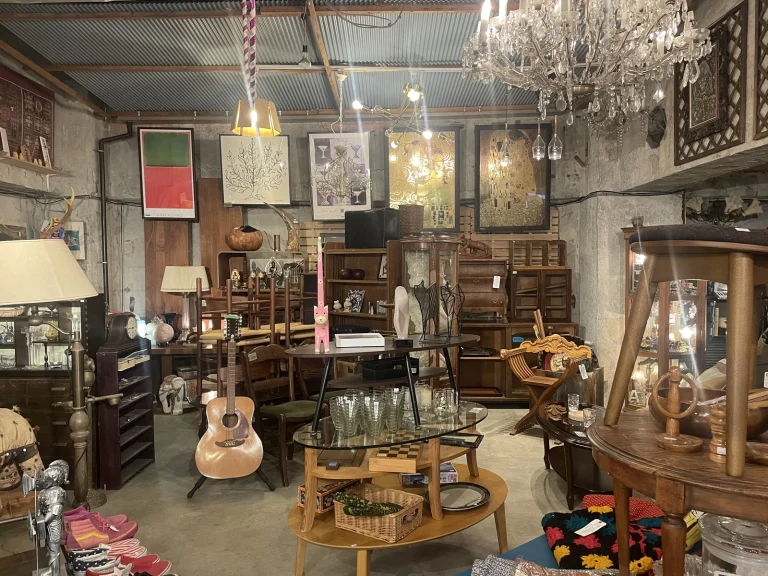
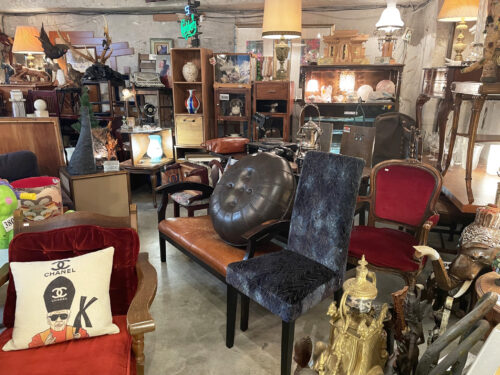
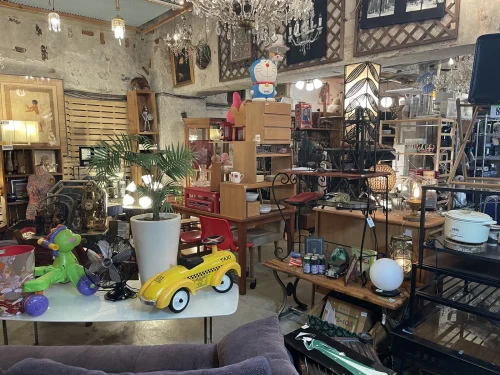
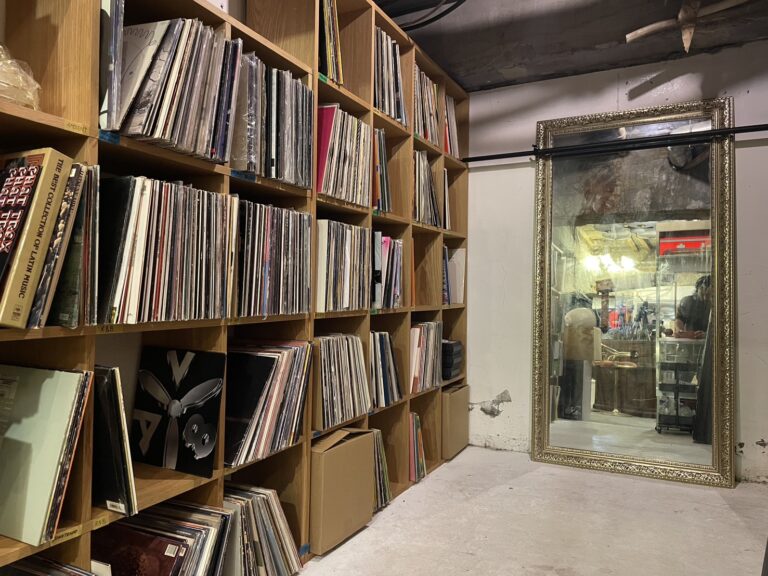
If you found yourself thinking, “I wish I’d had more time to browse secondhand goods and vintage clothing,” “I’d also like to see vintage and antique-style furniture that I couldn’t find at the flea market,” or “The flea market was canceled because of the rain,” then PONOPONO, a vintage shop near Oimachi Station, is well worth a visit.
PONOPONO offers a wide selection of secondhand items sourced from Japan and overseas, including vintage furniture, used clothing, antiques, home goods, records, and more. Unlike the outdoor flea market, PONOPONO is a permanent indoor shop, so you can browse comfortably without having to worry about the weather.
【Store Information】
Store: PONOPONO Shinagawa Oimachi
Address: GARNET BLD B2, 1-27-6 Oi, Shinagawa-ku, Tokyo
Access: Approx. 3-minute walk from Oimachi Station via the JR Line, Tokyu Oimachi Line, or Rinkai Line
Opening Hours: 12:00 PM–7:00 PM
Closed: Open daily
TEL: 03-5734-1446
About the Writer
This guide to the Oi Racecourse Flea Market was written by Maddie, an Australian writer living in Japan.
With both the perspective of an international visitor and the experience of living in Japan, she introduces local places and cultural experiences that travelers from overseas might otherwise miss.
While exploring vintage shops and flea markets around Japan, she approaches them with two questions in mind:
“What feels uniquely Japanese and interesting from an international visitor’s point of view?”
and
“What information would travelers actually want to know before visiting?”
Through the Oi Racecourse Flea Market, we hope to introduce you to a side of everyday Tokyo—and its secondhand culture—that you may not discover through the city’s more famous tourist attractions.